Small schools: Leseverstehen A1
3 Übungen auf Niveau A1 (Lesen) zum Thema „Small schools“, mit Lösungen. Aufgaben bearbeiten und sofort prüfen. Kostenlos, ohne Konto.
Niveau Lesen
Bevor Sie beginnen. 3 Übungen. Lesen Sie jeden Text und beantworten Sie dann die Fragen.
Übung 1. Look at the pictures and complete the labels with the adjectives below.
8 Lücken- dangerous dry large narrow safe small wet wide
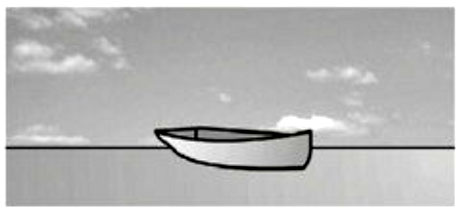
- 1a boat
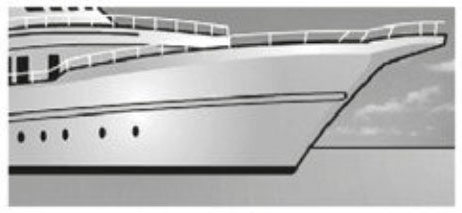
- 2a boat
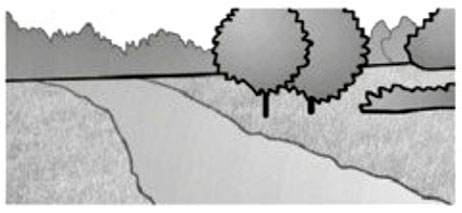
- 3a path
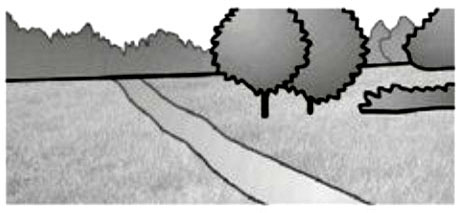
- 4a path
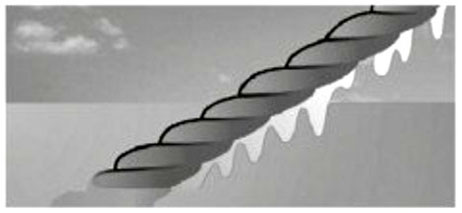
- 5a rope
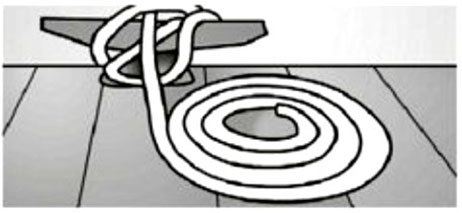
- 6a rope
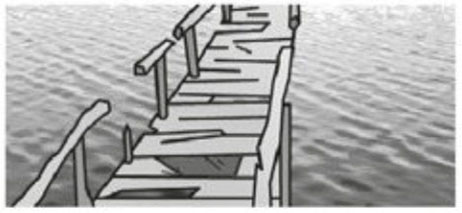
- 7a bridge
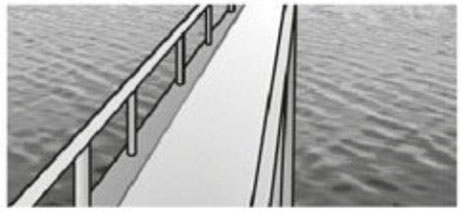
- 8a bridge
Übung 2. Read the texts below. What is unusual about the schools?
- SMALL is beautiful?
- 1Scoraig, a small region in the north of Scotland, needs a new teacher for its primary school. It’s a very beautiful place, but nobody wants to work there. It’s a real problem for the local council! So why can’t they find a teacher? Well, perhaps one reason is the isolated location. You can’t drive to Scoraig; you have to walk along a narrow, four-kilometre path next to the sea or take a boat. The region does not have a shop or a post office, and every home has to find its own supply of water and electricity. The school itself is small – very small. In fact, only five children go there! But those five children need a teacher, so the council hopes to find one soon.
- 2Rum and Canna are two very small islands near the west coast of Scotland. Rum has about 40 inhabitants and Canna only has twelve. Each island has a small primary school and the same head teacher is in charge of both schools. At the moment, the head teacher does not have a difficult job because the schools have no students! So why do the islands need a head teacher for their schools? According to the local council, the answer is simple: ‘Things can change. We need schools for tomorrow’s children.’ So for now, the head teacher’s job is safe.
- 3Budaixi Primary School is in an isolated region of central China. It is difficult to find jobs here, so a lot of families leave the region and move to big cities. Because of this, the schools in the region are often very small. Budaixi Primary School only has one student. Her name is Xianzi and she is six years old. Her teacher, Mr Guo, teaches her maths and Chinese. Because Xianzi is the only child at the school, she can’t play games with other children at lunchtime – so Mr Guo plays with her. They enjoy table tennis and basketball. Then it is time for lessons again. And of course, Xianzi is always top of the class!
Übung 3. Read the Reading Strategy. Then match the sentences (a-g) with the texts (1-3).
1 LückeReading Strategy
When you match sentences to texts, make sure the whole sentence matches the information in the text. Do not just look for one or two words that are in the text and the sentence.
- Which text talks about
- a)two different schools?
- b)a school without a teacher?
- c)a school not in Scotland?
- d)a school with more than one student?
- e)a head teacher with an easy job?
- f)a teacher who plays games at lunchtime?
- g)a region without a shop?
Verwandte Übungen
Alle Lesen-Übungen anzeigen- Clothes and shopping2 Übungen
- Communication3 Übungen
- Daily life4 Übungen
- Entertainment3 Übungen
Lernen mit Lektionen
Hören Sie eine Aufnahme und schreiben Sie sie Satz für Satz mit
So üben Sie
- 1Lesen Sie jede Frage sorgfältig
- 2Schreiben Sie Ihre Antwort oder wählen Sie die richtige Option
- 3Klicken Sie auf „Antworten prüfen“, um Ihre Lücken zu bewerten, oder auf „Antworten zeigen“, um die Lösungen zu sehen
- 4Überprüfen Sie Fehler und versuchen Sie ähnliche Übungen
- 5Fahren Sie mit der nächsten Übung fort, wenn Sie bereit sind