A2
English Speaking Exercises for A2 – Photo description
6 bài tập
A2 (Cơ bản) nói - "English Speaking Exercises for A2 – Photo description". 6 exercises. Miễn phí, không cần đăng ký.
1. Label pictures 1-9 with the words below.
- boots dinghy helmet life jacket paddles poles rope rucksack safety harness
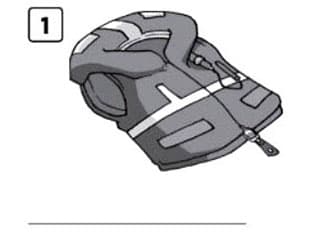
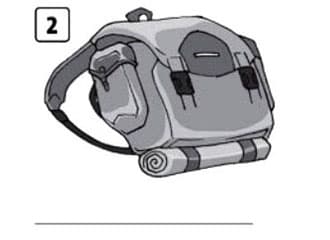
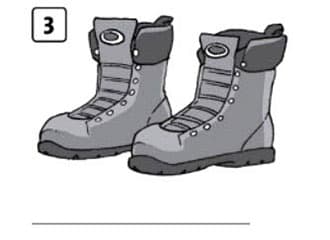
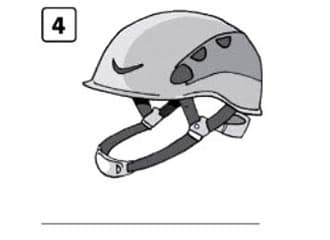
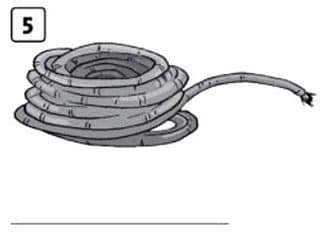
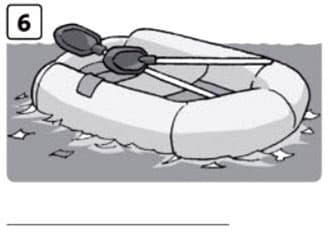
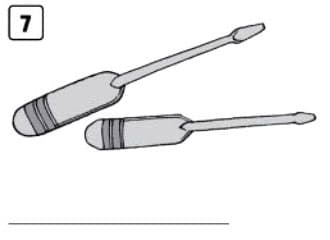
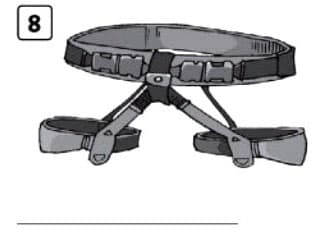
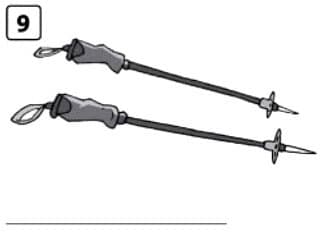
2. Which pieces of equipment from exercise 1 do you use for …
- 1)rock climbing?
- 2)kayaking?
- 3)walking / hiking?
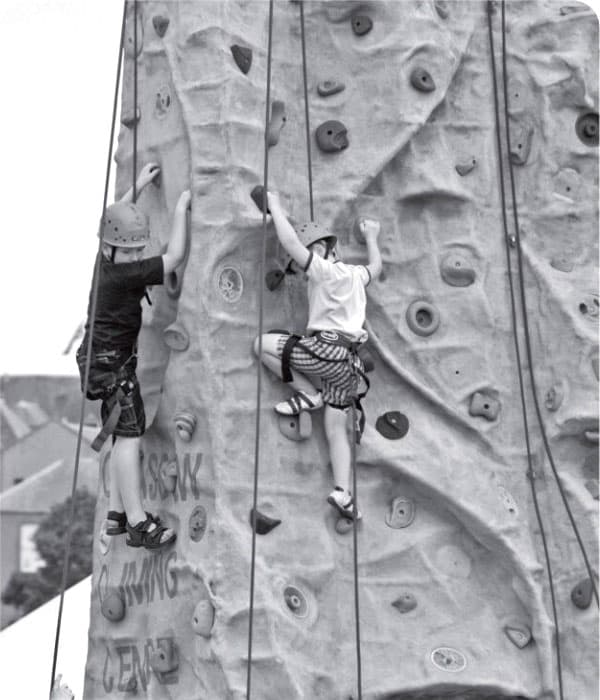
3. Choose the correct words to complete the sentences about the photo below.
- 1)The photo seems / shows two children on a climbing wall.
- 2)They look / look as if quite young.
- 3)They boy on / at the left is looking down.
- 4)At / In the background, there are some buildings.
- 5)It looks as / like if the boys are having a good time.
Speaking Strategy
Make sure your photo description has a simple structure. Start by saying what the photo shows in general (Who? What? Where?). Then mention interesting details. You can finish with a personal comment or some speculation.
4. Read the Speaking Strategy. Then write five sentences to describe the photo below. Use phrases from exercise 3.
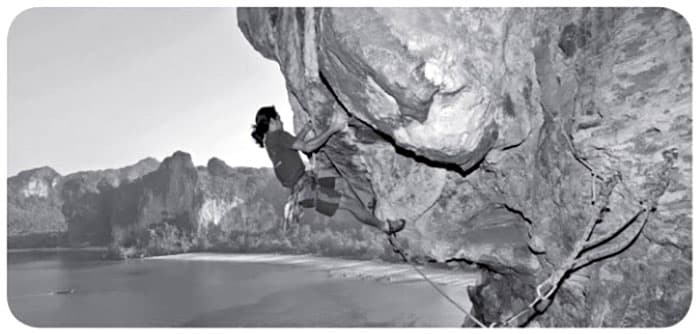
- 1)(general description)
- 2)(details x3)
- 3)(speculation / comment)
5. Read the examiner’s questions in the task and make notes.
- Describe the photo and answer the questions.
- 1)Why do some people enjoy doing risky sports?
- 2)Is doing risky sports the best way to see spectacular scenery, in your opinion? Why? / Why not?
- 1)
- 2)
6. Now do the task using your notes from exercises 5 and 6.
Cách Luyện tập
- 1Đọc kỹ từng câu hỏi
- 2Viết câu trả lời của bạn hoặc chọn phương án đúng
- 3Nhấp vào 'Hiện Đáp án' để kiểm tra bài làm của bạn
- 4Xem lại bất kỳ lỗi nào và thử các bài tập tương tự
- 5Chuyển sang bài tập tiếp theo khi đã sẵn sàng
Bài Tập Liên Quan
Học với bài học
Xây dựng nền tảng với bài học âm thanh và video