A2
English Speaking Exercises for A2 – Photo description
6 exercícios
A2 (Elementar) expressão oral - "English Speaking Exercises for A2 – Photo description". 6 exercises. Grátis, sem cadastro.
1. Label pictures 1-9 with the words below.
- boots dinghy helmet life jacket paddles poles rope rucksack safety harness
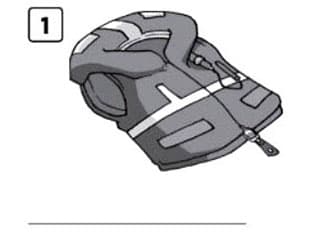
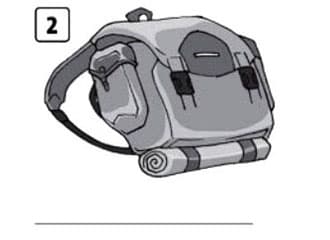
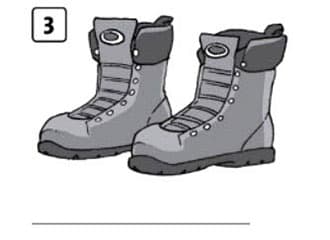
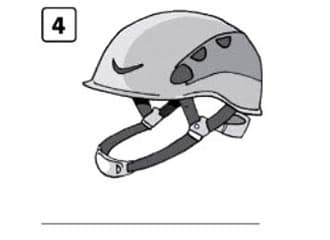
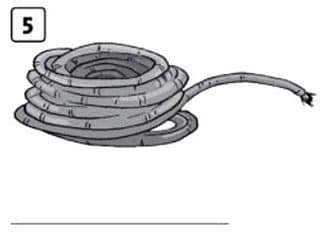
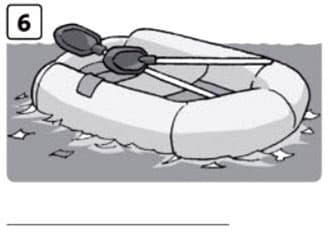
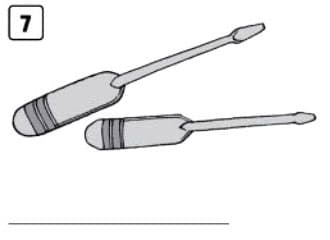
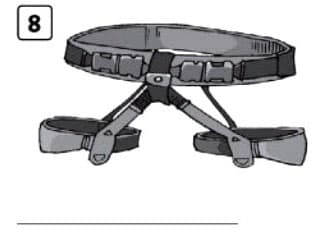
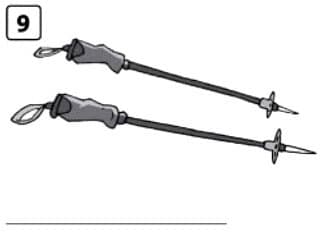
2. Which pieces of equipment from exercise 1 do you use for …
- 1)rock climbing?
- 2)kayaking?
- 3)walking / hiking?
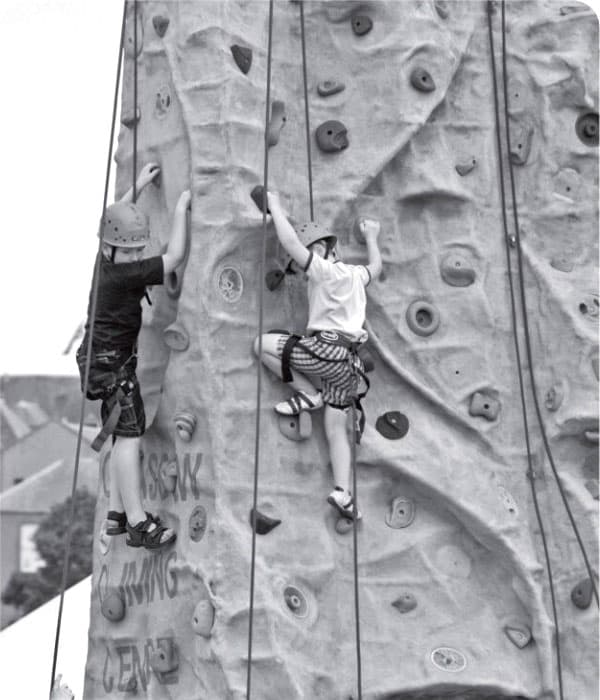
3. Choose the correct words to complete the sentences about the photo below.
- 1)The photo seems / shows two children on a climbing wall.
- 2)They look / look as if quite young.
- 3)They boy on / at the left is looking down.
- 4)At / In the background, there are some buildings.
- 5)It looks as / like if the boys are having a good time.
Speaking Strategy
Make sure your photo description has a simple structure. Start by saying what the photo shows in general (Who? What? Where?). Then mention interesting details. You can finish with a personal comment or some speculation.
4. Read the Speaking Strategy. Then write five sentences to describe the photo below. Use phrases from exercise 3.
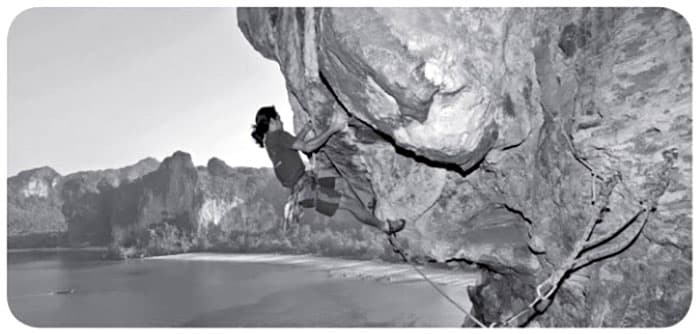
- 1)(general description)
- 2)(details x3)
- 3)(speculation / comment)
5. Read the examiner’s questions in the task and make notes.
- Describe the photo and answer the questions.
- 1)Why do some people enjoy doing risky sports?
- 2)Is doing risky sports the best way to see spectacular scenery, in your opinion? Why? / Why not?
- 1)
- 2)
6. Now do the task using your notes from exercises 5 and 6.
Como praticar
- 1Leia cada pergunta cuidadosamente
- 2Escreva sua resposta ou selecione a opção correta
- 3Clique em 'Mostrar Resposta' para verificar seu trabalho
- 4Revise quaisquer erros e tente exercícios similares
- 5Passe para o próximo exercício quando estiver pronto
Exercícios de prática relacionados
Aprenda com aulas
Construa sua base com aulas de áudio e vídeo