A2
Practice Listening Business English Exercises for A2 – Money
9 exercices
Pratiquez l'anglais des affaires A2 (Élémentaire) avec « Practice Listening Business English Exercises for A2 – Money ». 9 exercices de communication professionnelle avec feedback instantané. Gratuit, sans inscription.
1. Exercise 1
Audio
- A. Listen to It all adds up!, a podcast for consumers on the topic of money. Tick (✓) the topics they speak about.
- a)How to borrow money for emergency expenses
- b)Suggestions for reducing living expenses
- c)Information about how most consumers save
- d)What will happen to interest rates over the next few months
- e)News about currency exchange rates
- f)Tips for changing money when travelling abroad
- B. Listen again. Choose the correct option in italics to complete the advice and information from the podcast.
- 1)It’s a good idea to walk / take your lunch to work.
- 2)Don’t buy things with your credit card / that you don’t need
- 3)Buy a used car / cinema tickets online.
- 4)In the next few months, interest rates / borrowing will go down.
- 5)Mortgages / Holidays will become more expensive.
- 6)Now is a good time to visit China / buy Chinese electronics
2. Exercise 2
Audio
- A. Liz is a Marketing Consultant to the retail banking industry. Listen to the first part of her presentation to a group of clients and answer the questions.
- 1)How does Liz get the attention of her audience at the start?
- 2)Which three generations does she talk about in her introduction? Complete the information in slide 1.
- 3)Which generation is the main subject of her presentation? Why?
- 4)How do the audience describe this generation in terms of:
- • lifestyle? • technology? • work? • money?
- B. Liz used the approximate words early, mid and late to talk about ages and dates. Can you remember the phrases she used for the following? Listen and check.
- 1)17–19-year-olds late teens
- 2)21–23-year-olds
- 3)1964–6
- 4)1977–9
- 5)1981–3
- 6)2011–13
| 1 Customer age groups | |
| Generation(b. 1964-79) | |
| Generation(b. 1980-94) | |
| Generation(b. 1995-2012) |
3. Exercise 3
Audio
- A. Listen to Liz present the financial habits of young adults with approximate figures. What are the exact figures? Use the exact figures below and write them on slide 2.
- 12)21 29 64 76
- B. Listen again and answer the questions.
- 1)What do the employment figures for 16–21-year-olds show?
- 2)What does Liz say is the most surprising figure in the chart? Why?
- 3)What kind of debt are 16–21-year-olds against? Why?
- 4)What’s the good news about 16–21-year-olds for the retail banking industry? What’s the bad news?
| 2 Financial habits(16–21-year-olds) | |
| • paid employment | ..76..% |
| • own savings account | % |
| • account-holders since age | % |
| • already saving for retirement | % |
| • opposed to all forms of debt | % |
4. Exercise 4
Audio
- A. Listen to the final part of the presentation. What do the figures in slide 3 show?
- 1)10.6 =
- 2)1 billion =
- 3)53% =
- 4)42 million =
- B. What does Liz say about her client’s marketing strategy?
| 3 Marketing to young savers |
| 10.6 1bn 53% 42m |
5. Exercise 5
Audio 1
Audio 2
- A. Read the town councillor’s notes for the meeting. Then listen and complete them.
- Topic: Practical ideas and real solutions.
- 1)Advertise to attract
- 2)Create a local
- 3)Set up a bank
- 4)Start an online goods – on social media?
- 5)Start a Saturday in the town centre
- B. Match the ideas (a–e) with the descriptions (1–5) in Exercise A. Listen again and check your answers.
- a)Develop a type of money that’s only for our town
- b)Make it easy for people to trade things they don’t need for things they need
- c)Arrange a place in town for local people to sell things
- d)Invite people from other places to visit our town – and spend money
- e)Get people to share their skills by trading hours of work
- C. Now listen to the end of the meeting. Which ideas does the town vote to consider more seriously?
6. Exercise 6
Audio
- A. Listen to local residents Ellen and David discussing the projects. Which project does Ellen like the best? Which one does David like the best?
- B. Listen again. Who expressed each opinion? Write E (Ellen), D (David) or N (neither).
- 1)Local currency
- a)It’s interesting – good for business.
- b)It’s weird – lots of people think this.
- c)It’s old-fashioned – we don’t need it.
- 2)Saturday market
- a)It would help to create jobs – people will make things to sell.
- b)It’s easy to understand – people will go to see other people.
- c)It’s not interesting – you can sell stuff online.
- 3)Time bank
- a)I’m too busy to use it.
- b)I’d rather just pay people.
- c)It’s a good way to meet people.
7. Test
Audio
- 1)Listen to the speakers and choose the polite way to say no a, b or c.
- 1)a b c
- 2)a b c
- 3)a b c
- 4)a b c
- 5)a b c
8. You will hear eight short recordings twice. For questions 1–8 choose the correct answer.
Audio
- 2)You will hear eight short recordings twice. For questions 1–8 choose the correct answer.
- 1)What does the woman spend most of her income on?
- 2)How does the man pay at the hotel?
- a)by credit card
- b)by mobile phone payment
- c)in cash
- 3)How is the man going to save more money?
- a)walk to work every day
- b)take his lunch to work
- c)rent a room in his home
- 4)Why does the woman like paying by credit card?
- a)She doesn’t need different currency.
- b)It’s light to carry when travelling.
- c)She doesn’t need receipts.
- 5)What does the man think he is best at in his job?
- a)public speaking
- b)working with numbers
- c)managing his time
- 6)How much have the company’s sales increased over the year?
- a)about 10 percent
- b)nearly a quarter
- c)roughly a third
- 7)Who is going to be the lead presenter?
- a)Francisco
- b)Luis
- c)Gaston
- 8)How was the budget for the project divided?
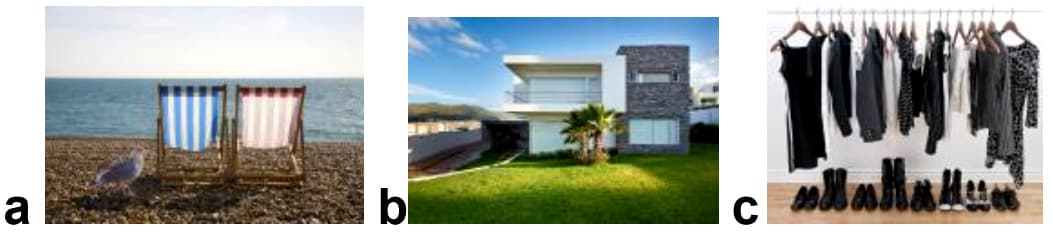
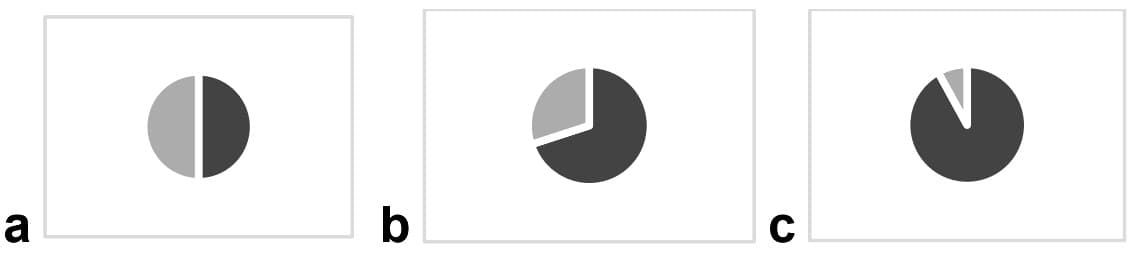
9. Listen to a radio discussion about spending habits. For each question choose a, b or c.
Audio
- 3)Listen to a radio discussion about spending habits. For each question choose a, b or c.
- 1)How have people’s spending habits changed in the last five years?
- a)People spend more.
- b)People save more.
- c)People spend money on different things.
- 2)What has risen most in price?
- a)taxes
- b)housing
- c)food
- 3)What suggestion does Lena make for saving money on restaurant food?
- a)Use more vouchers.
- b)Go and eat at different times.
- c)Eat more takeaways.
- 4)What does Lena think about buying new technology?
- a)People buy new things too often.
- b)It often isn’t worth the money.
- c)Most website offers are bad.
- 5)What advice does Lena give for buying a new smartphone?
- a)Buy them with a contract.
- b)Don’t buy one with a brand name.
- c)Buy an older model.
- 6)According to Lena, which is the best way to pay when you are overseas?
- a)cash
- b)prepaid card
- c)credit card
- 7)According to Lena, where is the worst place to exchange currency?
- a)at an airport
- b)at a hotel
- c)online
Comment Pratiquer
- 1Lisez chaque question attentivement
- 2Écrivez votre réponse ou sélectionnez l'option correcte
- 3Cliquez sur 'Afficher la Réponse' pour vérifier votre travail
- 4Examinez les erreurs et essayez des exercices similaires
- 5Passez à l'exercice suivant lorsque vous êtes prêt
Exercices Connexes
Apprenez avec des leçons
Construisez vos bases avec des leçons audio et vidéo